
On May 17, 1863, the printing press of Juan Compañel, located in the heart of the historic district of Vigo, printed the manuscript of Cantares Gallegos, a work by Rosalía de Castro. This beautiful book of poems—which you cannot miss—written in Galicia’s own language, marks the beginning of the “Rexurdimento” or cultural renaissance of Galician, after many centuries away from writing and formal record, although it had been the language of kings and troubadours in the Middle Ages.
...News
Monday, May 4, 2026 - 14:34
Sunday, March 22, 2026 - 19:22

Seaside Vigo:
Would you like to see how a small fishing town has become the largest and most cosmopolitan city in Galicia? We invite you to learn about our history through the rooms and display stands of the Museum of the Sea and the Museum of the Canning Industry. They will show you all the secrets of a Vigo born and transformed thanks to its water.
If you prefer to delve into the essence of a genuine fishing quarter, take a trip to ...
Sunday, March 15, 2026 - 19:31
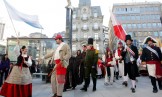
The city’s Old Town travels back in time to the 19th century from the 27th to the 29th of March 2026: it’s La Reconquista, Vigo’s most characteristic celebration.
On the 28th of March, 1809, a popular uprising against the French invasion turned Vigo into the first town of Europe that managed to expel Napoleon's army. It had its reward: a year later, Fernando VII granted Vigo the title of "faithful, loyal and courageous" city.
Now, every 28th of March, ...
Friday, February 20, 2026 - 10:00

The Entroido or Carnival in Vigo is one of Galicia’s favourite traditions, an event associated with fertility and crop protection rites. It was later converted into a Christian rite to celebrate abundance and to say goodbye to good food and good wine for a while.
In Galicia, there are as many carnivals as towns, and in Vigo it’s celebrated by enthroning the Meco or the Entroido God. During the reign of this permissive God, everything is possible and fun: parades ...